Beginner's guide

So you're getting into juggling

Juggling is the rare hobby where you can go from zero to impressive in a single afternoon. Three balls, a YouTube video, and a willingness to chase dropped objects across the room is all it takes. The barrier to entry is basically zero — and the skill ceiling is infinite.

By Colin B. · Published August 9, 2026 · Last reviewed August 9, 2026

The 60-second version

If you only buy 3 things to start:

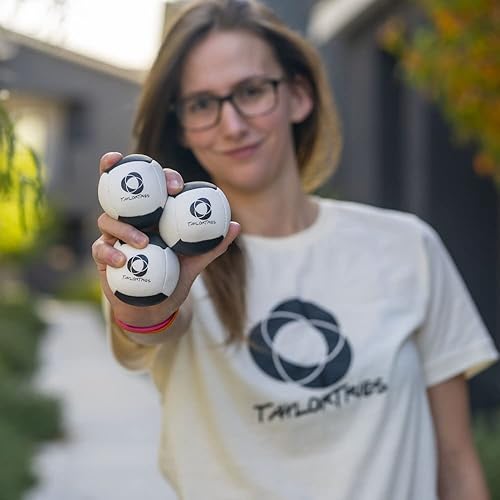
  1. Zeekio Taylor Tries Signature Juggling Ball Set (3-Pack) — Zeekio Taylor Tries balls — millet-filled, no-bounce, perfect weight for learning the cascade.
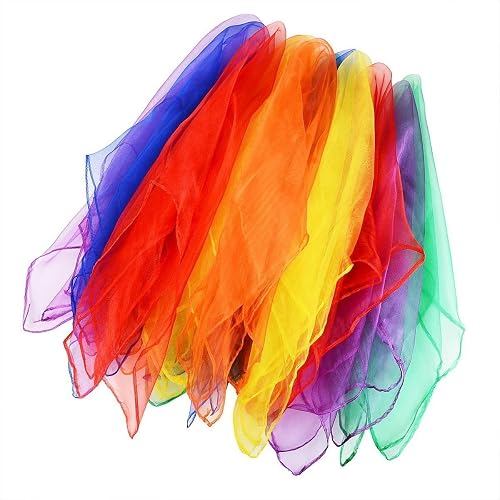
  2. Zeekio Beginner Juggling Scarves (Set of 3) — Zeekio juggling scarves — float slowly so you can learn the pattern before adding speed.
  3. Zeekio Pegasus Juggling Club Set (3-Pack) — Zeekio Pegasus clubs — the natural next step once three-ball juggling clicks.
Budget total
$12
Typical total
$30
Juggling is one of the cheapest hobbies on the planet. A set of three beginner balls runs $10-15. You can literally start with three tennis balls or rolled-up socks.

We earn commission on qualifying Amazon purchases — see our affiliate disclosure. Price tiers and budget totals shown above are editorial estimates; actual Amazon prices vary.

At a glance

Our top pick in each category

The fastest path through this guide — each best-starter pick by category. Scroll for the budget and upgrade alternatives.

CategoryTop pickPriceWhere to buy
Juggling BallsZeekioZeekio Taylor Tries Signature Juggling Ball Set (3-Pack)$ See on Amazon →
Juggling ScarvesZeekioZeekio Beginner Juggling Scarves (Set of 3)$ See on Amazon →
Juggling ClubsZeekioZeekio Pegasus Juggling Club Set (3-Pack)$$ See on Amazon →
Juggling RingsPEHHAHPEHHAH Juggling Rings (Set of 3, 12.59")$ See on Amazon →
Before you buy anything

A few things worth knowing first

Start with balls, not clubs or rings. The three-ball cascade is the foundation of everything in juggling. Once you can keep three balls going for 30 seconds without dropping, you'll know whether you want to pursue toss juggling, club passing, contact juggling, or something else entirely.

Don't use tennis balls. They bounce and roll, which means you spend more time chasing than practicing. Beanbag-style juggling balls (filled with millet or plastic pellets) land dead when you drop them. When you're learning, you will drop constantly — dead-drop balls save your sanity.

You don't need a teacher or a class. Juggling is one of the most self-teachable skills in existence. The three-ball cascade has been broken down into steps by thousands of YouTube tutorials. Most people can get a shaky cascade in 30-60 minutes of practice.

The gear

What you actually need

three blue and yellow balls on a yellow background

Photo by Kevin Hessey on Unsplash

Juggling Balls

The only piece of gear you truly need. Beginner juggling balls are beanbag-style — filled with millet, sand, or plastic pellets so they don't bounce or roll when dropped. You want a set of three that weighs 100-130 grams each (about the weight of a baseball) and fits comfortably in your hand. Synthetic leather panels are more durable than vinyl and feel better against your skin. Once you're comfortable with the cascade, you might explore Russian-style balls (partially filled, more forgiving of sloppy catches) or stage balls (smooth, shiny, for performances).

Zeekio Taylor Tries Signature Juggling Ball Set (3-Pack) Best starter
Zeekio

Taylor Tries Signature Juggling Ball Set (3-Pack)

$

Our rating

Designed in collaboration with a professional juggler, these 110g millet-filled balls are the right weight for learning the cascade without being too heavy for extended practice. The 6-panel synthetic leather construction is durable and grippy. They land dead on the floor when dropped — critical when you're learning, because you'll drop them hundreds of times.

What we like

  • Millet fill means zero bounce — they stay where they land
  • 110g weight is ideal for learning without fatigue
  • 6-panel synthetic leather is durable and grippy

What to know

  • 62mm diameter is snug for larger hands
  • Only comes in one color scheme
Covelico Juggling Balls Set (3-Pack) Budget pick
Covelico

Juggling Balls Set (3-Pack)

$

Our rating

A solid budget option that comes with a carrying bag and basic instructions. The beanbag-style fill prevents bouncing and rolling. Vibrant colors make them easy to track in the air, which matters more than beginners expect.

What we like

  • Includes carrying bag and instructions
  • Bright colors are easy to track in flight
  • Affordable entry point under $10

What to know

  • Fill can settle unevenly over time
  • Vinyl exterior isn't as durable as synthetic leather
Patelai Juggling Balls Set (6-Pack) Upgrade pick
Patelai

Juggling Balls Set (6-Pack)

$

Our rating

Six balls instead of three, which matters once you start learning four- and five-ball patterns. Also great if you're teaching a friend — you both get a set of three. The rainbow color variety helps with tracking individual balls during pattern practice.

What we like

  • Six balls — enough for 4- and 5-ball patterns
  • Each ball is a different color for pattern tracking
  • Good value per ball

What to know

  • Slightly lighter than the Zeekio set
  • Not individually sold — it's 6 or nothing

Juggling Scarves

If you're teaching a kid (or yourself) and the three-ball cascade feels overwhelming, start with scarves. They float down slowly — about 2 seconds of hang time instead of half a second — giving your brain time to process the pattern. Most people can juggle three scarves in under 15 minutes. They're also useful for practicing new patterns before graduating to balls.

Zeekio Beginner Juggling Scarves (Set of 3) Best starter
Zeekio

Beginner Juggling Scarves (Set of 3)

$

Our rating

Lightweight nylon scarves specifically sized for juggling — not dance scarves, not handkerchiefs. The material floats predictably and the size (about 18 inches square) is large enough to see and grab but small enough to release cleanly. Red, blue, and yellow for visual tracking.

What we like

  • Float time gives your brain time to learn the pattern
  • Can learn three-scarf cascade in 15 minutes
  • Three distinct colors for tracking

What to know

  • Only useful for the very first stage of learning
  • Can't be used outdoors — any wind ruins them
Blastcase Martin Sports Juggling Scarves (Set of 3) Budget pick
Blastcase

Martin Sports Juggling Scarves (Set of 3)

$

Our rating

A no-frills set of three 18-inch nylon juggling scarves. They float the same way as the Zeekio set at a slightly lower price point. Good for classrooms and group settings where you might need several sets.

What we like

  • Very inexpensive — can buy multiple sets cheaply
  • Standard 18-inch juggling scarf size
  • Nylon material floats predictably

What to know

  • Colors may be less vibrant than the Zeekio set
  • No storage bag included
A man with glasses shouts while holding a juggling club.

Photo by atelierbyvineeth ... on Unsplash

Juggling Clubs

Clubs are the natural progression after balls. They spin, they're longer, and they look dramatically more impressive to an audience. The catch technique is different — you grab the handle after the club rotates — but if you can juggle three balls, you'll pick up clubs faster than you expect. Most beginners are cascade-juggling clubs within a week of trying them.

Zeekio Pegasus Juggling Club Set (3-Pack) Best starter
Zeekio

Pegasus Juggling Club Set (3-Pack)

$$

Our rating

The Pegasus is the most-recommended beginner club in the juggling community. Multi-piece construction is durable enough to survive months of drops on concrete. The rubber knob and cap protect the club and your floors. At 20.5 inches, they're standard size for adult jugglers. Good weight distribution for clean single spins.

What we like

  • Multi-piece construction survives drops on any surface
  • Balanced weight for predictable single-spin throws
  • Rubber end caps protect floors and the clubs themselves

What to know

  • Heavier than performance clubs — intentionally so for learning
  • Can sting your hands on bad catches at first
Duncan Juggling Clubs (Set of 3) Budget pick
Duncan

Juggling Clubs (Set of 3)

$

Our rating

Duncan has been making skill toys for decades. These 19-inch clubs are slightly shorter than the Zeekio Pegasus, making them friendlier for smaller hands and younger jugglers. At 195g each, they're well-balanced for learning the basic cascade.

What we like

  • 19-inch length is friendlier for smaller frames
  • Duncan's quality control is consistent
  • 195g weight is forgiving for beginners

What to know

  • Shorter length means different timing from standard clubs
  • One-piece construction is less durable than multi-piece

Juggling Rings

Rings are the third classic prop after balls and clubs. They're flat, they fly fast, and they're visually stunning because you can throw multiples in tight formation. Rings also teach you to throw flat and clean — a sloppy throw with a ball still works, but a sloppy ring throw wobbles visibly. They're great for outdoor practice since they cut through wind better than balls.

PEHHAH Juggling Rings (Set of 3, 12.59") Best starter
PEHHAH

Juggling Rings (Set of 3, 12.59")

$

Our rating

Full-size 12.59-inch diameter rings made of solid plastic with smooth edges. The standard size for adult jugglers — large enough to catch comfortably and visible enough for an audience. Solid construction means they won't crack on hard drops.

What we like

  • Standard 12.59-inch diameter for adult hands
  • Smooth edges won't irritate hands during long sessions
  • Solid plastic construction is durable

What to know

  • One color per set — need to buy three sets for color variety
  • Flat rings can be harder to pick up off the ground
Zeekio Junior Juggling Rings (Set of 3, 9.5") Budget pick
Zeekio

Junior Juggling Rings (Set of 3, 9.5")

$

Our rating

Smaller rings for younger jugglers or anyone who wants to start with something less intimidating. The 9.5-inch diameter is easier to grip and throw cleanly. The tri-color set (blue, red, yellow) helps with tracking during pattern practice.

What we like

  • Smaller size is less intimidating for beginners
  • Three distinct colors for pattern tracking
  • Zeekio brand quality

What to know

  • 9.5 inches is below standard size — transitions to full-size rings later
  • Lighter weight means more affected by wind outdoors
Going deeper

Your first hour of juggling

You can learn to juggle three balls in a single session. Not perfectly, not smoothly — but enough that you're doing it. Here's the exact progression that works, broken into steps you can follow right now.

Read the guide →
Save your money

What you don't need yet

Beginners get pressured to buy a lot of stuff that doesn't help them play better. Here's what we'd skip on day one.

  • Clubs or rings — These are intermediate props. You need a solid 3-ball cascade (50+ catches consistently) before clubs will make any sense.
  • LED or glow balls — Fun for performance but terrible for learning — you can't see the arcs clearly. Save them for after you've nailed the basics.
  • A juggling net or bounce mat — Practice over a bed or couch instead. A dedicated net is for people drilling 5+ ball patterns who drop constantly.
First week

Your first seven days

A short, real plan to get from gear-on-doorstep to actually playing.

  1. Start with one ball: practice throwing from hand to hand in a consistent arc at eye height. · Learn
  2. Move to two balls: throw-throw-catch-catch until the timing is automatic. · Learn
  3. Attempt the 3-ball cascade — focus on the throws, not the catches. · Learn
  4. Practice in 10-minute sessions, multiple times a day. Short sessions beat long ones. · Action
FAQ

Common questions

How long does it take to learn the 3-ball cascade?

Most people can sustain a basic 3-ball cascade (10+ catches) within 1-3 days of focused practice. Getting to 50+ consistent catches takes about a week. 100+ catches with confidence takes 2-3 weeks of regular practice.

Should I start with scarves or balls?

Balls. Scarves float slowly and teach bad habits — the timing and throw mechanics don't transfer to balls. Start with beanbag-style juggling balls that don't bounce or roll away when dropped.

What's the right throw height?

Slightly above eye level — about 6-8 inches above your head. Too low and the pattern is rushed; too high and you lose control. The balls should peak at a consistent height and cross in front of your face.

Can juggling help with coordination or focus?

Yes — research shows juggling improves hand-eye coordination, spatial awareness, and bilateral brain connectivity. It's used in physical therapy and ADHD management. Even 10 minutes of practice engages focus in a way that feels like meditation.