By Colin B., published November 6, 2026, last reviewed November 6, 2026By Colin B., updated Nov 6, 2026We earn a commission if you buy through our links. How this works
The biggest jump in Mexican cooking at home isn't a recipe. It's fresh corn tortillas off a hot comal and a salsa made from chiles you toasted yourself. A tortilla press, a comal, a bag of masa harina and some dried chiles get you most of the way for under $100. Here's what to buy first and how to use it.
00
The short version
Starter budget
$95 to $160
How hard
Easy to start
Day one
Order a tortilla press, a comal and a bag of masa harina.
Maseca is just one brand of it. Cornmeal and polenta are not substitutes: they aren't nixtamalized and won't hold together as a tortilla.
Cast iron is worth it for the press and the comal.
A heavy press makes thinner, more even tortillas with less effort, and a cast iron comal holds the steady heat that makes tortillas puff.
Buy dried chiles whole, not powdered.
Whole chiles keep their flavor for months in an airtight bag, and toasting and soaking them yourself is what makes homemade salsas and sauces taste so much better than jarred.
02
Tortilla Presses
A tortilla press flattens a ball of masa into an even round in one squeeze. Line it with a cut-open zip-top bag or plastic sheet so the dough doesn't stick. Eight inches is the standard size for corn tortillas. Weight is the big difference: heavy cast iron presses do the work for you, while light aluminum presses need more force and can flex over time.
Best starter$29.84as of Nov 6, 2026★★★★★ our ratingIn Stock
Victoria
Cast Iron Tortilla Press, 8 Inch
Made in Colombia by a cast iron maker that's been at it for over 80 years. It's heavy enough to press thin, even corn tortillas with one easy push, and the handle has a good long lever. About $30. 58,000+ reviews at 4.5 stars.
The bigger, heavier Victoria press for 10-inch tortillas, so you can make burrito-size corn or flour rounds and quesadilla shells as well as regular tacos. About $80.
A comal is a flat griddle used for cooking tortillas, toasting dried chiles and spices, and charring tomatoes, onions and garlic for salsa. Cast iron is ideal because it holds steady, even heat, which is what makes a tortilla puff. A 10 to 11-inch round fits a standard burner and a standard tortilla with room to flip.
Best starter$30.99as of Nov 6, 2026★★★★★ our ratingIn Stock
Victoria
Cast Iron Comal Griddle Pan, 10.5 Inch
A real comal shape: flat, low-sided and with a long handle, so flipping tortillas and toasting chiles is easy. Pre-seasoned with flaxseed oil and heavy enough to hold heat between batches. About $31. 2,800+ reviews at 4.5 stars.
Lodge's round griddle does the same job as a comal, with a slightly raised rim and a short loop handle. Made in the USA and nearly indestructible. About $25. 45,000+ reviews at 4.6 stars.
We like
Cheap and nearly indestructible
Works on gas, electric, induction and grill
Know this
Short handle gets hot
Raised rim makes sliding tortillas slightly harder
A molcajete is a Mexican mortar and pestle carved from volcanic stone. Its rough surface crushes chiles, garlic and tomatoes into salsas with a texture a blender can't match, and it doubles as a serving bowl. A real basalt molcajete needs seasoning before first use. For grinding toasted dried chiles and whole spices into powder, a cheap blade grinder is faster.
Best starter$64.99as of Nov 6, 2026★★★★★ our ratingIn Stock
FESTMEX
Handmade Volcanic Stone Molcajete, 8 Inch
Hand-carved from real volcanic rock in Mexico, with a heavy pestle (tejolote) and an 8-inch bowl that holds a full batch of salsa or guacamole. The rough stone grinds fast and gives salsa a chunky, emulsified texture. About $65. 1,100+ reviews at 4.6 stars.
Polished granite isn't as rough as volcanic stone, but it needs no seasoning, won't shed grit and cleans easily. A good choice for small batches of salsa and crushing garlic and spices. About $20.
Sold as a coffee grinder, but a blade grinder is also the fastest way to turn toasted dried chiles, cumin and Mexican oregano into fresh powder. Keep one just for spices. About $25. 69,000+ reviews at 4.4 stars.
We like
Grinds chiles and spices in seconds
Small and cheap
Know this
Hard to clean fully, so don't share it with coffee
Fresh tortillas need to rest stacked and covered for a few minutes after cooking. The trapped steam finishes cooking them and makes them soft and pliable. A tortilla warmer keeps a stack hot and soft through dinner, and also reheats store-bought tortillas in the microwave. A clean kitchen towel works in a pinch.
Best starter$9.99as of Nov 6, 2026★★★★★ our ratingIn Stock
PixiPy
12 Inch Insulated Tortilla Warmer Pouch
An insulated fabric pouch that keeps a stack of tortillas warm and steamy at the table, and goes in the microwave for reheating. Holds up to 15 tortillas and folds flat in a drawer. About $10. 1,800+ reviews at 4.7 stars.
A rigid lidded warmer that holds heat well and keeps tortillas from getting squashed. Made in the USA and fits 10-inch burrito tortillas. About $16. 9,800+ reviews at 4.6 stars.
Masa harina is corn that's been cooked with lime (nixtamalized), dried and ground. Add warm water and salt and you have masa for tortillas, sopes, gorditas and tamales. Brands vary a lot in flavor. Supermarket brands like Maseca are fine and cheap; heirloom brands taste noticeably more like corn. Store opened bags airtight and use within a few months.
Best starter$4.79as of Nov 6, 2026★★★★★ our ratingIn Stock
Bob's Red Mill
Organic Masa Harina Flour, 24 oz
Consistent, easy to work with and widely available. Organic white corn that makes tender tortillas with a clean corn flavor. About $5 a bag. 2,400+ reviews at 4.7 stars.
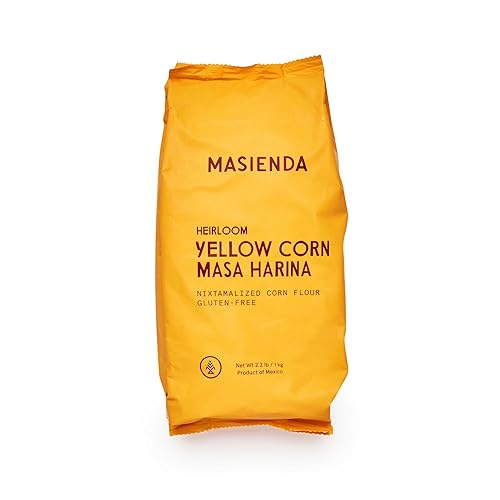
Single-origin heirloom corn from Mexican farmers, nixtamalized the traditional way. The tortillas taste sweeter and more like corn, and the dough is a little more forgiving. About $22.
Dried chiles are the backbone of Mexican sauces. Guajillo is bright and mild, ancho is sweet and raisin-like, and pasilla is dark and earthy. Toast them briefly on a dry comal until fragrant, soak in hot water for 15 minutes, then blend. Good chiles are pliable, not brittle. Store them in a sealed bag in a cool, dark cupboard for up to a year.
Best starter$18.95as of Nov 6, 2026★★★★★ our ratingIn Stock
Amazing Chiles & Spices
Dried Chile Peppers Variety Pack, 12 oz
Ancho, guajillo and pasilla in one pack: the three chiles behind most red salsas, enchilada sauces and moles. A great way to learn how each one tastes. About $19. 840+ reviews at 4.7 stars.
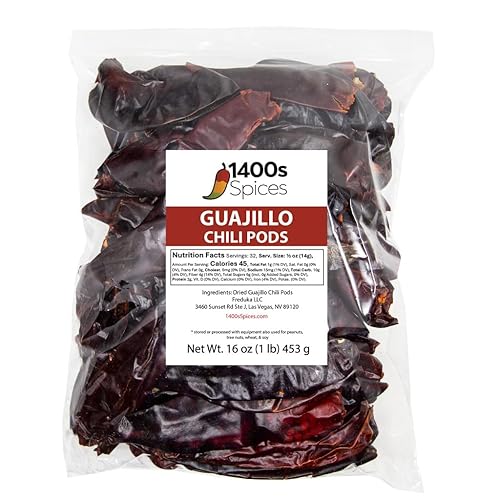
A full pound of guajillo, the everyday workhorse chile for salsa roja, pozole and enchiladas. Stemless saves prep time, and buying by the pound is far cheaper than supermarket packets. About $15. 1,400+ reviews at 4.8 stars.
Four weeks, four building blocks: fresh corn tortillas, a toasted chile salsa, a charred molcajete salsa and a real red sauce. Learn these and most of Mexican home cooking opens up.
Mexican home cooking is built on a few techniques you’ll use over and over: pressing and cooking tortillas, toasting and soaking dried chiles, and charring vegetables on a hot comal. Spend a week on each and you’ll cook with confidence instead of following recipes line by line.
Week 1: Fresh corn tortillas
Mix 2 cups masa harina with about 1 1/2 cups warm water and a big pinch of salt. Knead for a minute. The dough should feel like soft play dough and not stick to your hands. Cover it with a damp towel and rest it 15 minutes.
Heat a comal over medium-high for at least 5 minutes. Roll a golf-ball-size piece of masa, put it between two pieces of plastic in the press and squeeze to about 1/16 inch thick.
First side: about 30 seconds, until the edges just start to dry.
Flip: cook about a minute, until lightly spotted underneath.
Flip again: press gently with your fingers or a spatula. A good tortilla puffs up.
Stack cooked tortillas in a warmer or a towel. The steam finishes them. If edges crack, the dough needs more water. If they stick to the plastic, it has too much.
Pull the stems and seeds from 4 or 5 guajillo chiles. Toast them on a dry comal for a few seconds per side until fragrant and slightly blistered. Don’t let them blacken, or they’ll taste bitter.
Soak the toasted chiles in hot water for 15 minutes. Blend them with a clove of garlic, salt and enough soaking water to make a pourable salsa. Taste and adjust salt. That’s salsa roja, and it goes on almost everything.
Week 3: A molcajete salsa
Season a new molcajete by grinding a handful of rice, rinsing, and repeating until the rice comes out clean.
Char two tomatoes, a slice of onion, a jalapeno and two unpeeled garlic cloves on the comal until blackened in spots. Peel the garlic. Grind the garlic and chile with coarse salt first, then add the tomatoes and onion and work them into a chunky salsa. Serve it right in the molcajete.
Combine the techniques from weeks 2 and 3. Toast and soak a mix of ancho and guajillo chiles, then blend them with charred tomato, onion, garlic, a pinch of cumin and Mexican oregano. Fry the purée in a little oil for 5 minutes until it darkens and thickens, then thin with stock.
Use it for enchiladas, chilaquiles, or to braise chicken or pork. It’s the same method behind many more complex sauces.
What not to worry about yet
Don’t worry about making tamales, mole with 20 ingredients or grinding your own nixtamal. Don’t buy every chile on the shelf. Get tortillas and two or three salsas into your weekly routine first; everything else builds on them.
09
What you don't need yet
Beginners get pressured to buy a lot of stuff that doesn't help them.
Here's what we'd skip on day one.
An electric tortilla maker They press and cook at once but make thick, unevenly cooked tortillas. A press and a comal do it better.
A tamale steamer Any large pot with a steamer insert works for your first batches. Buy a tamalera if tamales become a tradition.
A corn grinder for fresh nixtamal Grinding your own corn is a project for later. Good masa harina makes excellent tortillas.
A pile of specialty chiles Ancho, guajillo and pasilla cover most recipes. Add chipotle, arbol or mulato once you know what you like.
10
Your first seven days
A short, real plan to get from gear-on-doorstep to actually doing it.
Order a tortilla press, a comal and a bag of masa harina.
A cast iron tortilla press, a comal, a tortilla warmer, masa harina and a variety pack of dried chiles come to about $95. Add a real volcanic stone molcajete for salsas and you're around $160.
12
Common questions
Is masa harina the same as Maseca?
Maseca is a brand of masa harina, the most common one in US supermarkets. Masa harina just means dried, ground nixtamalized corn flour, and other brands like Bob's Red Mill and Masienda make it too.
Can I use cornmeal instead of masa harina?
No. Cornmeal hasn't been nixtamalized, the lime-cooking process that changes the corn's proteins so the dough holds together. Cornmeal tortillas crumble and taste like cornbread.
Why won't my tortillas puff?
Usually the comal isn't hot enough or the masa is too dry. Use medium-high heat, make the dough soft enough that the edges don't crack when pressed, and flip twice, pressing gently on the last side.
Why do my tortillas crack at the edges?
The dough is too dry. Add warm water a tablespoon at a time until a pressed ball has smooth edges, and keep the masa covered with a damp towel while you work.
Do I need a molcajete, or can I use a blender?
A blender makes great smooth salsas and sauces. A molcajete makes chunkier, more rustic salsas and guacamole with a texture many people prefer. Start with the blender you have and add a molcajete later.
How do I store dried chiles?
In an airtight bag or jar in a cool, dark cupboard. They keep for six months to a year. If they turn brittle and lose their smell, it's time for a fresh bag.
 Just Beginning