By Colin B., published November 12, 2026, last reviewed November 12, 2026By Colin B., updated Nov 12, 2026We earn a commission if you buy through our links. How this works
Backyard ducks lay big, rich eggs, rarely get sick, and are funnier than chickens. They're also much wetter. Ducks need water deep enough to dunk their heads, and they'll turn any patch of ground into mud. Here's which breeds to choose, the brooder setup for ducklings, niacin, housing, pools and keeping predators out.
00
The short version
Starter budget
$150 to $295
How hard
Some practice
Day one
Check your local rules on keeping poultry, then choose two or three breeds for your goals.
Khaki Campbells and Indian Runners are egg machines, laying around 250 to 300 eggs a year. Pekins are big, friendly and lay well, but grow heavy. Welsh Harlequins and Ancona are calm, good layers. Ducks are flock animals, so get at least three, and mostly females.
Plan for water and mud.
Ducks must be able to dip their whole bill and head in water to clean their nostrils and eyes, and they splash constantly. Put water on gravel or a slatted platform, change it daily, and expect any grass in their run to become mud.
Housing is simple but must be predator proof.
Ducks don't roost, so they sleep on the floor of a shed, coop or converted dog house with deep bedding. What matters is that it locks at night and that the run is covered in hardware cloth, not chicken wire. Check your town's rules on poultry first.
02
Brooder setup
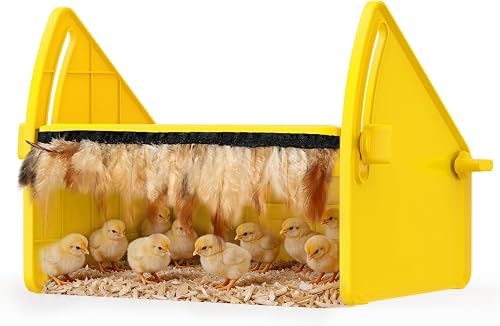
Ducklings need a warm, dry brooder for their first four to six weeks. A big plastic tote or a stock tank works, with pine shavings for bedding. Start around 90F and lower the heat by about five degrees each week until they're feathered. A heating plate is safer than a heat lamp, which is a common cause of brooder fires. Ducklings drink and splash constantly, so put the waterer on a tray.
Best starter$59.95as of Nov 12, 2026★★★★★ our ratingIn Stock
RentACoop
12x12 Adjustable Heating Plate with Anti-Roost Cone
A radiant heating plate that sits on adjustable legs. Ducklings huddle underneath for warmth the way they would under their mother, and you raise the legs as they grow. Much safer than a heat lamp, and it uses far less power. About $60. 1,400+ reviews at 4.6 stars.
Chick Brooder Heater Plate for Chicks and Ducklings
A cheaper heating plate with the same idea: radiant heat underneath and adjustable legs. A sensible pick for a small batch of three to six ducklings. About $29. 950+ reviews at 4.3 stars.
A screw-on base that turns a mason jar into a waterer or feeder. Cheap and easy to clean for the first week or two. Ducklings outgrow it fast and need a deeper waterer they can dip their whole bill into. Sold by Amazon. About $9. 2,300+ reviews at 4.4 stars.
Ducklings grow fast and need a starter feed of around 18 to 20 percent protein for their first few weeks. Waterfowl starter is ideal. If you use unmedicated chick starter instead, add niacin: ducklings need more of it than chicks, and a shortage causes weak, bowed legs. Brewer's yeast sprinkled on the feed is the usual way to add it. Adult ducks move to a layer feed with oyster shell on the side.
Best starter$24.99as of Nov 12, 2026★★★★★ our ratingIn Stock
ZQUARED
Brewer's Yeast Powder with Garlic and Niacin for Poultry, 1 lb
A brewer's yeast supplement with added niacin, sprinkled on chick starter to give ducklings what they need for strong legs. One pound lasts a small batch through the brooder weeks. About $25. 1,800+ reviews at 4.8 stars.
Waterfowl Starter Food for Ducklings and Goslings, 5 lb
A complete starter formulated for ducklings and goslings, so you don't need to add niacin. The 5 lb bag is a good size for a small batch's first couple of weeks. Larger bags are cheaper per pound at farm stores. About $18. 190 reviews at 4.6 stars.
Water is the center of a duck's life. They need it deep enough to submerge their head for drinking and cleaning, and they love to bathe and swim. A plastic pool makes them happy but gets dirty fast, so put it where you can tip it out easily and refill it daily. A heavy rubber tub works as a deep drinker that won't crack in winter.
Best starter$29.86as of Nov 12, 2026★★★★★ our ratingIn Stock
Niubya
Foldable Hard Plastic Pool, 64 Inch
A collapsible hard-sided pool sold for dogs that works brilliantly for ducks. It's sturdy enough not to puncture, has a drain plug for easy emptying, and folds flat for winter. About $30. 7,500+ reviews at 4.3 stars.
A tough rubber tub that won't crack in freezing weather and is easy to knock ice out of. Use it as a deep drinker or a small bath for a few ducks. About $60. 1,200+ reviews at 4.4 stars.
Raccoons, foxes, dogs, hawks and owls all hunt ducks, and most attacks happen at night. Lock ducks in a secure house every night. Cover run walls and openings with half-inch hardware cloth, and bury or apron it a foot outward so diggers can't get under. Chicken wire keeps chickens in but doesn't keep predators out. Portable electric netting protects ducks while they free-range by day.
Best starter$79.98as of Nov 12, 2026★★★★★ our ratingIn Stock
Metaler
Hardware Cloth 1/2 Inch, 48 Inch x 100 Feet
A long roll of half-inch welded mesh with a green coating. Enough to wrap a good-sized run and apron the bottom against digging predators. Half-inch holes stop raccoons reaching through. About $80. 570+ reviews at 4.6 stars.
Galvanized Hardware Cloth 1/2 Inch, 48 Inch x 50 Feet
A shorter 50-foot roll of 19-gauge galvanized mesh for a small run, covering windows and vents, or reinforcing an existing coop. About $54. 140+ reviews at 4.4 stars.
Portable electric poultry netting with an energizer, from a company that specializes in it. Set up a daytime grazing area anywhere in the yard and move it as the ducks wear down the grass. About $604. 120+ reviews at 4.6 stars.
A good duck book covers breeds, brooding, housing, feeding, health and egg laying in one place, and it's handy when something looks wrong at 6 a.m. These two are the most recommended for small flocks.
Best starter$11.21as of Nov 12, 2026★★★★★ our ratingIn Stock
Dave Holderread
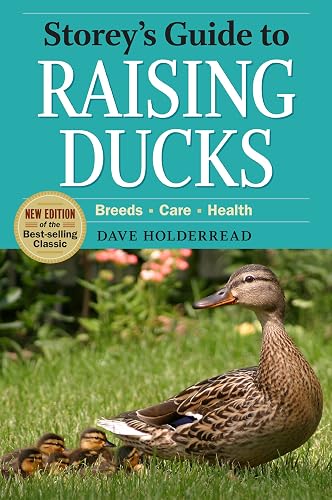
Storey's Guide to Raising Ducks, 2nd Edition
The standard reference on duck keeping by a longtime breeder, covering breeds, housing, feeding, health and incubation in depth. About $11. 950+ reviews at 4.7 stars.
A friendlier, photo-rich guide to keeping a small backyard flock, including ponds, nutrition and everyday care. A good first read before the Storey's reference. Sold by Amazon. About $15. 78 reviews at 4.8 stars.
Ducklings grow astonishingly fast. In eight weeks they go from fluffballs in a tote to full-size ducks that need a secure house and water to splash in. Here's the week-by-week plan from brooder to backyard.
Raising ducklings is great fun and a little chaotic. They’re messier than chicks, they grow faster, and they’ll need outdoor housing sooner than you expect. Here’s how the first two months usually go.
Week 1: Warm, dry and fed
Set the brooder up a day before the ducklings arrive. A large plastic tote or stock tank with pine shavings works well. Set a heating plate so the area underneath is around 90F, with cooler space elsewhere so ducklings can move away if they’re too warm.
When they arrive, dip each one’s bill gently in the water so they learn where it is. Offer waterfowl starter, or unmedicated chick starter with brewer’s yeast for niacin. Put the waterer on a tray and change wet shavings every day. Ducklings that get soaked and chilled can go downhill quickly.
Watch their behavior: huddled together under the plate means cold; spread out and panting means too hot; happily scattered and peeping means just right.
Weeks 2 to 3: Growth and first swims
Raise the heating plate a notch each week and lower the temperature about five degrees. Swap the small waterer for a deeper one they can dip their whole head into, but keep it narrow so they can’t climb in and get soaked.
Supervised swims are fun from around week two: a few inches of warm water in a tub or sink for five minutes, then dry them off and put them back under the heat. Ducklings don’t have waterproof feathers yet, so never leave them in water unattended.
Weeks 4 to 6: Feathers and fresh air
As feathers come in, the ducklings need less heat. On warm days, take them outside in a secure pen for a few hours. They’ll start foraging and splashing in a shallow pan. Finish building their outdoor house and run now.
The house just needs to be dry, well ventilated near the roof, and fully predator proof. Ducks sleep on the floor, so use a deep layer of straw or shavings. Cover every opening with half-inch hardware cloth.
Once fully feathered and nights are mild, move them out for good. Lock them in the house every night. Most predator losses happen after dark, and raccoons are clever with latches.
Set up a plastic pool on gravel or near a drain so you can empty it daily. Give them fresh drinking water in a deeper container too. Switch from starter to a grower feed around now, then to layer feed with oyster shell on the side when the first eggs appear at around five to six months.
From here, ducks settle into a happy routine: out in the morning, foraging and bathing all day, safely locked up at night.
Need supplies? Our backyard ducks gear guide covers brooder heat, feed, pools, predator protection and the best books.
08
What you don't need yet
Beginners get pressured to buy a lot of stuff that doesn't help them.
Here's what we'd skip on day one.
A fancy prefab duck coop Many small prefab coops are flimsy and poorly ventilated. A sturdy shed corner or converted dog house with hardware cloth works better.
A built-in pond Ponds get filthy fast with ducks. Start with a plastic pool you can tip out every day.
An incubator Hatching is a hobby of its own. Buy ducklings from a hatchery or farm store your first time.
A drake You don't need a male for eggs. If you do keep one, plan for at least four or five females per drake.
09
Your first seven days
A short, real plan to get from gear-on-doorstep to actually doing it.
Check your local rules on keeping poultry, then choose two or three breeds for your goals.
Set up the brooder before the ducklings arrive: a large tote, pine shavings and a heating plate at about 90F underneath.
A brooder heat plate, a waterer, starter feed, brewer's yeast, a care book and a plastic pool come to about $150, using a big tote as the brooder. Add a rubber tub and 100 feet of hardware cloth for the run and you're near $295, before housing. Ducklings themselves are often $5 to $15 each.
11
Common questions
Are ducks or chickens better for beginners?
Ducks are hardier, less prone to disease and lay through more of the winter. Chickens are tidier. Ducks need much more water and make far more mud. If you're happy managing wet ground, ducks are a delightful choice.
Do ducks need a pond?
No, but they need water deep enough to dip their whole head in, and they love to bathe. A plastic pool or tub that you empty and refill often is all most backyard flocks need.
How many eggs do ducks lay?
It depends on the breed. Khaki Campbells and Indian Runners can lay 250 to 300 eggs a year. Pekins and many other breeds lay around 150 to 200. Ducks usually start laying at about five to six months old and tend to lay early in the morning.
Why do ducklings need niacin?
Ducklings need more niacin (vitamin B3) than chicks to grow strong legs and joints. Chick starter often doesn't have enough. Waterfowl starter includes it, or you can add brewer's yeast to unmedicated chick feed.
Can I keep just one duck?
It's not a good idea. Ducks are flock animals and get lonely and stressed alone. Keep at least two, and three or more is better.
 Just Beginning