By Colin B., published November 19, 2026, last reviewed November 19, 2026By Colin B., updated Nov 19, 2026We earn a commission if you buy through our links. How this works
Beachcombing is walking a beach slowly and picking up what the tide brings in: sea glass, shells, driftwood, agates and the odd fossil. All you really need is a tide chart and a bag. Here's when to go, where sea glass collects, how to tell real glass from craft glass, and the simple gear that makes long walks easier.
00
The short version
Starter budget
$25 to $90
How hard
Easy to start
Day one
Look up the tide chart for your nearest beach and find the lowest tide this week.
The best time to search is the two hours around low tide, especially the very low tides near a full or new moon. The day after a big storm is even better, because waves turn over the gravel and bring up new pieces.
Look for the right kind of beach.
Sea glass collects on pebble and cobble beaches, near old towns, harbors and former dump sites. Wide, fine sand beaches rarely have much. Ask at local shops or check collector groups for your coast.
Know the rules.
Many state and national parks ban taking anything, including shells, rocks and glass. Some beaches limit how much you can take. Never take live animals, like sand dollars that are still fuzzy or shells with something living inside.
Keep your gear simple.
Most hunters carry a mesh bag, wear boots that can get wet and bring a small scoop for wet gravel. A headlamp helps on dawn low tides. You don't need anything else for the first few months.
02
Collecting bags
Your finds will be wet and sandy, so carry them in mesh, not plastic. Mesh lets water drain and sand fall through while you walk, so you don't carry home a pound of beach. A drawstring bag that clips to a belt loop keeps both hands free for picking up glass and steadying yourself on rocks. Rinse it in fresh water after each trip so salt doesn't stiffen it.
Best starter$22.17as of Nov 19, 2026★★★★★ our ratingIn Stock
Sea to Summit
Lightweight Mesh Stuff Sack, 8 Liter
A tough nylon mesh sack with a drawstring and a cord lock. Sand and water fall right out, and it dries in minutes. The small and medium sizes hold a morning of sea glass and shells and clip to a belt loop. Sold by The Buckeye Retail Collective. About $22, 4.5 stars from 64 ratings.
A cheap mesh drawstring bag that works fine for sea glass and small shells. Buy two and keep one in the car so you never go to the beach without one. The mesh is a little coarse for tiny pieces. Sold by Amazon. About $9.88, 4.4 stars from 1,601 ratings.
Good pieces often sit in the wet gravel just under the waves. A scoop lets you lift a patch of pebbles from shin deep water and look through it without getting your sleeves wet. Holes in the scoop let sand and water drain out. A reach grabber saves your back on long walks if you bend over a lot, and keeps your fingers away from sharp glass and hooks.
Best starter$59.99as of Nov 19, 2026★★★★★ our ratingIn Stock
Garrett
Metal Sand Scoop
A light plastic scoop with drain holes, made for beach metal detecting but just as good for scooping gravel at the water's edge. It's easy to carry for hours and won't rust. The short handle works for dry and shallow areas. Sold by OnlineSellingPartner. About $60, 4.7 stars from 1,134 ratings.
A stainless scoop with a long handle for working the surf zone without bending or wading deep. Stronger than plastic in heavy gravel. Rinse it after every trip to keep salt off the joints. Sold by CKG-Official. About $64, 4.6 stars from 260 ratings.
A long reach grabber with rubber tips that can pick up a single piece of glass. Good for people with sore backs or knees. It also makes it easy to pick up trash and fishing line along the way. Sold by Amazon. About $38, 4.5 stars from 2,684 ratings.
A 10x loupe shows the small C shaped pits and frosting that mark real sea glass, along with bubbles and seams that hint at a piece's age. It also helps with tiny shells, agates and fossils. Look for a triplet lens, which gives a sharp, flat view without colored edges. Hang it on a lanyard so you don't drop it in the sand.
Best starter$20.90as of Nov 19, 2026★★★★★ our ratingIn Stock
Gain Express
10x Triplet Jewelers Loupe
A glass triplet loupe with a metal housing that geologists and gem buyers have used for years. The view is sharp edge to edge. It folds into its own case and fits in a pocket. Sold by Gain Express. About $21, 4.6 stars from 2,014 ratings.
A cheap loupe with three lenses that combine for different strengths. Good enough for checking frosting and spotting fakes. It's light, so it's easy to keep in a beach bag. Sold by Amazon. About $11.99, 4.4 stars from 1,905 ratings.
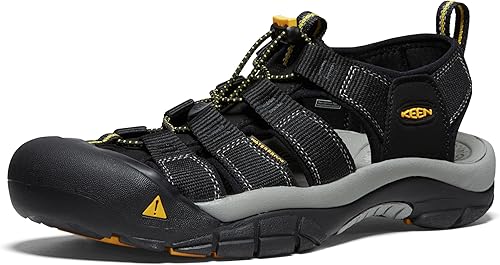
Low tide means wet rocks, cold water and slippery seaweed. Sneakers soak through in minutes. Ankle boots keep you dry in winter and grip wet stones. Water shoes or sport sandals are better in summer when you wade. Pick soles with real tread, since smooth rubber is dangerous on algae covered rock. Rinse salt off after each trip.
Best starter$86.25as of Nov 19, 2026★★★★★ our ratingIn Stock
XTRATUF
Men's Ankle Deck Boot
A short rubber boot made for fishing boats, with a non-marking sole that grips wet rock and decks. It slips on and off easily and keeps your feet dry in shallow water. Common with Pacific Northwest beachcombers. About $86, 4.6 stars from 14,278 ratings.
A light foam water shoe with drain holes for summer wading. It dries fast and protects your feet from sharp shells and glass. Wear it with socks on cooler days. About $63, 4.4 stars from 3,145 ratings.
A closed toe sport sandal with a grippy sole and a toe guard against rocks. Good for long summer walks that mix sand, gravel and wading. It holds up to years of salt water. About $84, 4.5 stars from 32,823 ratings.
Once you have a few hundred pieces you'll want to sort them. Most collectors sort by color, then pull out the rare pieces, marked pieces and bottle tops. Clear jars look nice on a windowsill and show off color. Divided boxes with adjustable slots keep small pieces sorted and let you see at a glance what you've found.
Best starter$14.19as of Nov 19, 2026★★★★★ our ratingIn Stock
Plano
ProLatch 3600 StowAway Box, Open Compartments
A clear tackle box with adjustable dividers, so you can make small slots for rare colors and bigger ones for whites and greens. The latches close tight. They stack well on a shelf. Sold by Blue Coop. About $14.19, 4.7 stars from 282 ratings.
Plain glass jars that show off sea glass in sunlight. One jar per color makes a simple display. The wide mouth makes it easy to reach in and pick out a piece. Sold by Amazon. About $36, 4.7 stars from 4,160 ratings.
Sea glass hunting looks like luck, but the people who fill jars do the same few things: they go at low tide, they pick the right beaches, and they learn to look for one shape and color at a time. Here's a four week plan to build those habits.
Go slow. Most beginners walk too fast and scan too much ground. Half the speed and twice the attention finds more glass.
Week 1: Learn the tides
Look up the tide chart for the nearest beach. Plan to arrive an hour before low tide and stay an hour after. Write down the tide height. Tides lower than 0.0 feet expose rock and gravel that’s normally underwater, and those are the days to clear your schedule for.
Try two or three beaches and compare them. Pebble and cobble beaches near old towns, piers or harbors usually beat wide sand beaches. Walk the wrack line, the strip of seaweed and debris the last high tide left. Then work the wet gravel at the water’s edge, where waves keep turning stones over.
Pick one color, like white or green, and look only for that. Sea glass is frosted, so it looks dull and chalky next to wet pebbles. Walk with the sun behind you so pieces glow. Crouch down on promising patches and look for 30 seconds before moving on. Toss back shiny, sharp pieces. They need more time in the sea.
Soak your finds in fresh water for a day to remove salt and sand. A soft toothbrush cleans out the pits. Sort by color in jars or a tackle tray. Keep a note of where and when you found the best pieces. After a month you’ll see which beaches and tides pay off.
Check whether collecting is allowed at that beach. Parks often ban it.
Walk the high tide line and the gravel just above the water, an hour before low tide.
Get a mesh bag so sand and water drain out of your finds as you walk.
Rinse your finds in fresh water at home and sort them by color in a jar.
10
What it costs
Budget start
$25
Typical
$90
A mesh collecting bag and a pocket loupe come to about $25. Add a sand scoop, water shoes or ankle boots, and a divided storage box for sorting by color to reach about $90.
11
Common questions
How can I tell if sea glass is real?
Real sea glass has a frosted surface with tiny C shaped marks, and its edges are worn smooth but not perfectly even. Craft glass sold in bags is evenly frosted, often shiny inside the pits, and looks too uniform.
What are the rarest sea glass colors?
Red, orange and yellow are the rarest, followed by turquoise, cobalt blue and purple. White, brown and green are the most common, since most came from bottles. A piece with lettering or a bottle lip is a good find too.
When is the best time to go beachcombing?
Low tide, right after a storm, and in winter. Winter storms move more gravel and fewer people are walking the beach. Get there before the morning crowd, since other hunters walk popular spots daily.
How long does it take for glass to become sea glass?
Usually 20 to 50 years of tumbling in waves and sand. Rough, shiny pieces are too young. Many collectors toss those back so they can finish frosting.
Is it safe to pick up anything on the beach?
Watch for sharp glass edges, syringes and fishing hooks. Never turn your back on the waves, especially on steep beaches where sneaker waves come in fast. Check the tide so you don't get trapped against a cliff.
 Just Beginning