By Colin B., published November 18, 2026, last reviewed November 18, 2026By Colin B., updated Nov 18, 2026We earn a commission if you buy through our links. How this works
Crappie, bluegill and sunfish are the best fish to learn on: they live in almost every lake, bite on light tackle and taste great. Here's how to pick an ultralight combo or a jigging pole, the line and jigs that work, how to fish a slip bobber, where to find brush piles, when the spring spawn happens, and what you need to clean your catch.
00
The short version
Starter budget
$90 to $230
How hard
Easy to start
Day one
Buy your fishing license and look up crappie limits for your lake.
Sunfish and bluegill live near the bank in nearly every pond and lake and will bite a worm under a bobber all summer. They teach you to cast, set the hook and handle fish. Crappie are a little pickier and move around more, but the same gear catches both.
Go light.
An ultralight or light spinning rod with 4 to 6 lb line lets you cast tiny jigs and feel soft bites. Heavier bass gear makes small jigs hard to fish. Long jigging poles of 10 to 12 feet are a different tool, used to drop a jig straight into brush from a boat or dock.
Time the spring spawn.
Crappie move shallow to spawn when the water warms to about the low 60s F, often March to May depending on where you live. That's when bank anglers catch the most. The rest of the year they hold deeper around brush piles, docks and standing timber.
Check the regulations.
You'll need a state fishing license. Many lakes have daily limits and minimum sizes for crappie, often 9 or 10 inches. Some states also regulate how you catch and transport live minnows.
02
Rods and reels
Crappie and panfish are fished with ultralight or light spinning rods around 5.5 to 7 feet, with small 1000 or 2000 size reels and 4 to 6 lb line. The soft tip casts 1/32 to 1/8 oz jigs and shows light bites. Long jigging poles of 10 to 14 feet are a separate tool: you drop a jig straight down into brush or along docks from a boat, with no casting at all.
Best starter$74.69as of Nov 18, 2026★★★★★ our ratingIn Stock
KastKing
Royale Legend II Twin Tip Rod and Reel Combo
A light spinning combo with two interchangeable tips, so one rod covers ultralight jigging and slightly heavier bobber fishing. Smooth reel, light graphite blank. Pick an ultralight or light size. Sold by KastKing. About $75, 4.5 stars from 492 ratings.
A 6-foot light power graphite combo with a fast tip for jigs and live bait. A good inexpensive all-around panfish rod. Sold by Amazon. About $60, 4.0 stars from 307 ratings.
A long, light jigging pole from a famous crappie pole maker. Drop a jig straight into brush or along dock posts without casting. Sold by B'n'M. About $50, 4.2 stars from 30 ratings.
A small round jig head with a 1.5 to 2 inch soft plastic body is the crappie standard. Fish it under a bobber or cast and count it down. 1/16 oz is the all-around size. Colors matter less than depth, but white, chartreuse, black and chartreuse, and natural shad colors cover most water.
Best starter$6.00as of Nov 18, 2026★★★★★ our ratingIn Stock
Bobby Garland
Baby Shad Crappie Baits
The classic crappie soft plastic: a solid body and a thin spear tail that quivers even when the jig sits still. Comes in dozens of colors. Sold by Amazon. About $6 a pack, 4.7 stars from 2,938 ratings.
A 25-pack of round crappie jig heads with sharp hooks, for soft plastics or a live minnow. Buy 1/16 oz first. Sold by Amazon. About $15, 4.6 stars from 655 ratings.
Use 4 to 6 lb monofilament on light gear. It casts small jigs well and is forgiving for beginners. Bobbers hold bait at the depth fish are holding. A fixed bobber is fine for shallow bluegill, but a slip bobber with a bobber stop lets you fish 6 to 15 feet deep and still cast easily, which is how many crappie are caught.
Best starter$8.97as of Nov 18, 2026★★★★★ our ratingIn Stock
Berkley
Trilene XL Monofilament Fishing Line
Smooth, limp mono that casts small jigs well and doesn't coil much on small reels. Buy 4 or 6 lb test. Sold by Amazon. About $9, 4.6 stars from 3,742 ratings.
A slim balsa slip float with a brass grommet so line slides freely, and a bright top that's easy to see. A favorite of panfish anglers for detecting light bites. Sold by Amazon. About $5, 4.6 stars from 691 ratings.
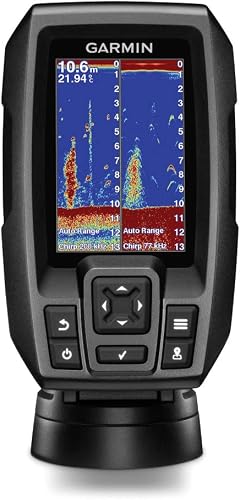
Live minnows are the classic crappie bait, and they stay lively in an insulated bucket with an aerator. When you fish from a boat or kayak, a simple fish finder shows depth, brush piles and suspended crappie, which tells you exactly how deep to set your bobber or count your jig.
Best starter$18.90as of Nov 18, 2026★★★★★ our ratingIn Stock
Frabill
Insulated Bait Bucket with Aerator, 1.3 Gallon
An insulated minnow bucket with an aerator built into the lid, so bait stays cool and alive all day. Sold by Amazon. About $19, 4.5 stars from 3,298 ratings.
A quiet, USB-rechargeable aerator with a 36-hour battery that clips to most buckets. Keeps minnows alive on long days. Sold by Engel. About $48, 4.6 stars from 1,485 ratings.
The best-selling small fish finder, with CHIRP sonar to show brush piles and suspended crappie, plus GPS to mark spots. Mounts on a boat or kayak. Sold by Amazon. About $120, 4.6 stars from 9,345 ratings.
Crappie and bluegill fillets are small, so a thin, flexible 4 to 6 inch blade is easiest. A flexible blade bends along the backbone and under the skin. Keep it sharp, keep the sheath on in your tackle bag, and fillet on a board you can wash.
Best starter$26.99as of Nov 18, 2026★★★★★ our ratingIn Stock
Rapala
Fish 'n Fillet Knife, 6 Inch, with Sheath
The classic flexible Swedish stainless blade with a birch handle and leather sheath. Six inches is the right size for crappie, bluegill and walleye. Sold by Amazon. About $27, 4.7 stars from 2,382 ratings.
4" Soft Grip Fillet Knife with Sharpener and Sheath
A smaller 4-inch flexible blade with a grippy handle, a sheath and a pocket sharpener. Easy to handle on small panfish. Sold by Amazon. About $20, 4.7 stars from 1,501 ratings.
Panfish are where most anglers learn, and crappie are where many of them stay. A month is enough to catch your first bluegill, learn the slip bobber and the jig, and find crappie on a dock or brush pile. Here's a week-by-week plan.
Bluegill teach you the basics. Crappie teach you patience and depth control. Both are fun on light gear and great on the table.
Week 1: Bluegill on a bobber
Tie a small hook (size 8 or 10) onto 4 lb line, pinch a split shot a foot above it, and clip on a small bobber two or three feet up. Thread on a piece of worm. Fish near weeds, docks and fallen trees along the bank. When the bobber dips or slides away, lift the rod.
A slip bobber slides on the line and stops at a small knot, so you can fish 8 or 12 feet deep and still cast easily. Tie the bobber stop on the line, add a bead, the slip bobber, a split shot and a hook or jig. Slide the stop to set your depth. Crappie usually hold just above cover, so set the bait a little shallower than the brush.
Put a 1.5 inch soft plastic on a 1/16 oz jig head. Cast past a dock post or brush, count as it sinks, and reel slowly. When you get a bite, remember the count. That’s the depth the fish are at. Crappie bites are often just a tick or the line going slack.
Look up your state’s fish attractor map and try the nearest brush piles from a dock, pier or kayak. In spring, check shallow banks and backs of coves when the water warms into the low 60s. Keep legal fish on ice, then fillet them with a thin knife the same day.
Photo by USFWS Mountain Prairie, Public domain, via Wikimedia Commons
Catch bluegill near the bank with a small hook, worm and bobber.
Learn to rig a slip bobber so you can fish a jig or minnow at a set depth.
Look up your state's brush pile and fish attractor map for nearby lakes.
Fish a dock or bridge piling with a 1/16 oz jig, counting it down to find depth.
10
What it costs
Budget start
$90
Typical
$230
A KastKing ultralight combo, Trilene XL, a pack of Bobby Garland Baby Shads, Mr. Crappie jig heads and a few slip floats come to about $110. Add an insulated minnow bucket and a Rapala fillet knife for about $160, or a Garmin Striker 4 for about $280. Add your license.
11
Common questions
What's the best bait for crappie?
Small live minnows under a bobber are the classic. Small jigs with soft plastic bodies, like Bobby Garland Baby Shads, work as well and are easier to carry. For bluegill, a piece of worm or a cricket on a small hook is hard to beat.
What size jig should I use?
1/16 oz is the all-around size. Use 1/32 oz in shallow water or for slow falls, and 1/8 oz in deeper water or wind. Pair the jig head with a 1.5 to 2 inch soft plastic body.
When is the best time to catch crappie?
Spring, when water reaches about 55 to 65 degrees F and crappie move shallow to spawn. Fall is good too. In summer and winter they hold deeper on brush and timber, and early morning and evening are best.
Do I need a fish finder?
Not to start. Docks, bridges and spring banks catch plenty of fish without one. A cheap portable finder helps you find brush piles and the depth fish are holding at once you fish from a boat or kayak.
How do I fillet crappie?
Use a thin, flexible fillet knife. Cut behind the gill plate down to the spine, turn the blade and run it along the backbone to the tail, then skin the fillet. Bluegill and crappie fillets are small, so a 6 inch blade is easiest.
 Just Beginning