FAQ
Common questions
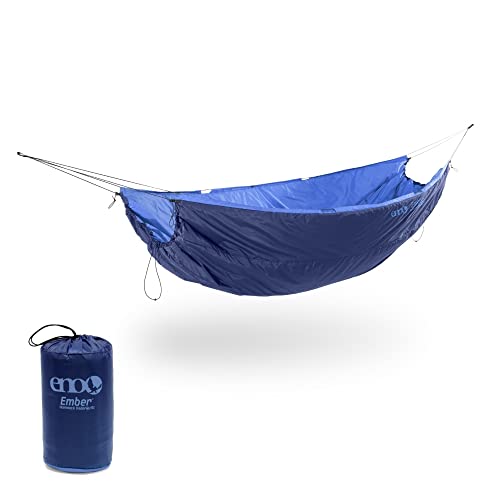
Do I really need an underquilt?
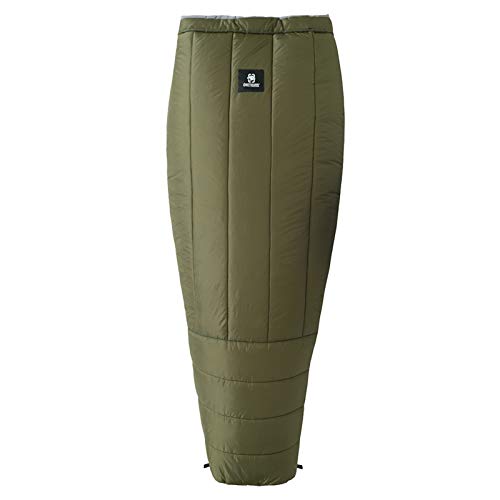
Yes, for camping below 60°F. In a hammock, cold air circulates beneath you and your sleeping bag compresses flat, losing the insulation it relies on. An underquilt hangs below the hammock and fills that gap. Without one, you'll be cold regardless of what's on top of you. Above 60°F at night, a light sleeping bag or top quilt alone is fine.
How far apart do trees need to be?
Aim for 12–15 feet between trunks for a comfortable hang angle. You can make 10–18 feet work with strap adjustments. Closer than 10 feet puts you too low; farther than 20 feet starts to stress attachment points. Trees should be at least 8 inches in diameter so you're not damaging saplings.
Is hammock camping lighter than tent camping?
A hammock-only summer setup is lighter than a tent. But a full three-season hammock system with tarp, underquilt, and top quilt is comparable to or heavier than a tent and sleeping bag combo. The weight advantage is real in warm weather when you can skip the underquilt.
Can I hammock camp above treeline?
No. Hammock camping requires trees 12–15 feet apart, which rules out alpine zones, desert camping, and most ocean-front sites. If your style takes you regularly above treeline, a tent is the right tool.
Do I need a bug net?
Depends on location and season. For shoulder-season camping or bug-light areas, no. For summer camping in the Southeast, Great Lakes, or anywhere with real mosquito pressure, yes. Many higher-end hammocks include integrated nets; others sell them separately.
How do I find good hammock campsites?
Hammockforums.net has trip reports organized by region, the best source for site-specific hammock intel. Most established forest campgrounds in the eastern US have good trees. Check the campground's hammock policy before arrival; some sites near sensitive ecosystems restrict hammock use.


 Best starter