By Colin B., published November 5, 2026, last reviewed November 5, 2026By Colin B., updated Nov 5, 2026We earn a commission if you buy through our links. How this works
A greenhouse adds weeks to both ends of your growing season, lets you start seedlings outside the house, and keeps tomatoes and peppers happy when the weather isn't. You can start with a $70 tunnel or a $650 polycarbonate kit. Here's how to pick one, why overheating is a bigger risk than cold, and the few extras that matter.
On a sunny day a closed greenhouse can pass 100°F within an hour, even in spring, and cook seedlings. Plan ventilation, and check the temperature before you buy any heater.
Buy bigger than you think.
Almost every greenhouse owner wishes they'd gone a size up. Seedling trays, a few tomato plants and a bench fill a small greenhouse fast.
Anchor it properly.
Light tunnel greenhouses and even polycarbonate kits blow over in strong wind. Stake it, add weight or bolt it to a base before the first storm, not after.
02
Greenhouses
Mini greenhouses are shelves with a plastic cover, great for seedlings on a patio. Walk-in tunnels use a steel frame and polyethylene cover; they're cheap and roomy, but the cover lasts a few seasons. Polycarbonate kits use rigid twin-wall panels that insulate better, last many years and survive weather, at ten times the price. Low cold frames sit over a bed to protect plants in shoulder seasons.
Best starter$70.97as of Nov 5, 2026★★★★★ our ratingIn Stock
VEVOR
Walk In Tunnel Greenhouse, 9.6 x 6.4 ft
A walk-in tunnel with a galvanized steel frame, a thick PE cover with roll-up windows, ground stakes and tie-downs, about $71. Enough room for trays, tomatoes and a small bench, so you learn what a greenhouse does before spending real money. 1,400+ reviews.
A rolling four-shelf mini greenhouse with a clear cover for about $32. Perfect for hardening off seedlings on a patio or balcony, and you can wheel it into shelter. 500 reviews.
A permanent 8 by 8 foot greenhouse with clear polycarbonate panels, double doors, an adjustable roof vent and rain gutters, about $649. 68 square feet of growing space and 6.8 feet of headroom.
A low walk-over greenhouse that sits over a garden bed, like a cold frame, for about $46. Great for lettuce, greens and early transplants in spring and fall.
Ventilation keeps a greenhouse from overheating and stops fungal disease. Automatic vent openers use a wax cylinder that expands as it warms, lifting a roof vent with no electricity. A small fan keeps air moving. In midsummer, shade cloth over the roof cuts the heat enough to keep plants growing.
Best starter$29.99as of Nov 5, 2026★★★★★ our ratingIn Stock
Yziixi
Greenhouse Auto Vent Opener, Dual Spring
A solar-free, power-free vent opener that lifts a roof vent as the greenhouse heats up and closes it as it cools, about $30. Fits most polycarbonate greenhouse vents. 844 reviews.
A breathable 40 to 50 percent shade cloth for about $10. Drape it over the roof in midsummer to keep the greenhouse from cooking plants. 1,700+ reviews.
Most hobby greenhouses run unheated and still add weeks to the season. A small electric heater on a thermostat covers frosty nights in spring and fall. Heating through a real winter costs a lot of electricity, so start by protecting plants from the occasional cold snap. Use an outdoor-rated GFCI outlet and keep heaters away from water.
Best starter$33.99as of Nov 5, 2026★★★★★ our ratingIn Stock
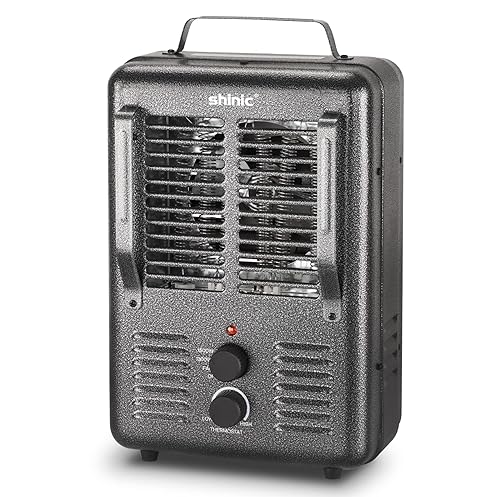
Shinic
1500W Milkhouse Heater with Thermostat
A tough metal-cased utility heater with a thermostat, overheat protection and tip-over shut-off, about $34. Enough to keep a small greenhouse above freezing on cold nights. 1,000+ reviews.
A thermometer you can read from the house tells you when to open vents, close up for the night or turn on the heater. Wireless models with a high and low memory show what happened while you were away.
Best starter$18.98as of Nov 5, 2026★★★★★ our ratingIn Stock
TempPro
TempAir Wireless Indoor Outdoor Thermometer
A wireless sensor for the greenhouse and a big display for the kitchen, with min and max readings, for about $19. 36,000+ reviews.
A greenhouse changes how your garden year runs, starting earlier in spring and ending later in fall. Here's how your first season goes, from setup and spring seedlings to summer heat and the fall extension.
Most first-year greenhouse problems are about heat and water, not cold. Once you’ve learned the daily rhythm of opening up and closing down, a greenhouse becomes the most productive corner of the garden.
Before spring: site it and anchor it
Put the greenhouse where it gets full sun, ideally with the long side facing south, and shelter from the strongest wind. Level the ground, then anchor it properly: ground stakes, sandbags, or bolts into a timber or paver base. Light greenhouses blow away more often than people expect.
Put a wireless thermometer inside before you add plants. Watch it for a few days. A closed greenhouse on a sunny afternoon can be 30 or 40 degrees warmer than outside.
This is where the greenhouse earns its keep. Move seedlings out of the house into the greenhouse a few weeks earlier than you’d plant outside. They get real sunlight, which makes them stockier than any windowsill.
The daily routine:
Morning: open the door and vents once the sun is on it.
Evening: close up before sunset to trap the day’s heat.
Cold nights: if frost is forecast, run a heater on a thermostat or cover plants with frost cloth.
Water in the morning so leaves dry before night. Damp, cool nights are when mold and mildew start.
Summer: fight the heat
In summer, the job flips to keeping it cool. Leave the door and vents open day and night, add shade cloth over the roof, and keep air moving with a fan. Heat-loving crops like tomatoes, peppers and cucumbers thrive in the extra warmth, but they stop setting fruit above about 90°F.
Watch for pests too. Aphids, whiteflies and spider mites love a greenhouse because there’s no rain or wind to knock them back. Check under leaves weekly and hose them off early.
As nights cool, close up earlier and sow cool-season crops: lettuce, spinach, kale and radishes. In many climates they’ll keep producing well past your first frost. Bring tender plants like herbs or potted citrus inside the greenhouse before the cold.
At the end of the season, clean everything. Wash the panels or cover so winter light gets through, and clear out dead plants so pests don’t overwinter.
What not to worry about yet
Don’t heat the greenhouse all winter in year one; the electricity adds up fast. Don’t automate everything. Learn the daily rhythm first, and you’ll know exactly what’s worth automating next year.
07
What you don't need yet
Beginners get pressured to buy a lot of stuff that doesn't help them.
Here's what we'd skip on day one.
A glass greenhouse Beautiful but heavy, expensive and breakable. Polycarbonate or film does the job.
Hydroponic systems A separate hobby. Pots and beds in a greenhouse grow plenty.
Automated misting Hand watering teaches you what plants need. Automate once you know.
A full winter heating setup Heating through winter is expensive. Start by protecting from cold snaps.
Grow lights in the greenhouse A greenhouse's whole point is sunlight. Lights help indoors, not here.
08
Your first seven days
A short, real plan to get from gear-on-doorstep to actually doing it.
Move seedlings or cool-season crops in and open vents every warm morning.
09
What it costs
Budget start
$45
Typical
$155
A 4-tier mini greenhouse and a wireless thermometer get you started for about $45. A walk-in tunnel greenhouse with a fan, a thermometer, shade cloth and a small heater for cold snaps is around $155. A polycarbonate kit setup runs $700 or more.
10
Common questions
How much does a greenhouse extend the growing season?
An unheated greenhouse typically adds several weeks at each end of the season, depending on your climate. With a small heater for cold snaps, many people grow greens through much of the winter.
Do greenhouses need ventilation?
Yes. On sunny days greenhouses overheat fast, even in cool weather. Open doors and vents, use an automatic vent opener, and add shade cloth in midsummer.
Polycarbonate or plastic film greenhouse?
Film tunnels are cheap and roomy but the cover lasts a few seasons. Polycarbonate costs much more but insulates better, survives weather and lasts for years.
What can I grow in a greenhouse?
Seedlings, tomatoes, peppers, cucumbers, herbs and salad greens are easy wins. Many people also overwinter tender plants like citrus in pots.
How do I keep a greenhouse warm at night?
Close it up before sunset to trap heat, add thermal mass like water barrels, and use a thermostat-controlled heater for frosty nights. Bubble wrap on the inside walls adds insulation.
Do I need a permit for a greenhouse?
Small portable greenhouses usually don't need one, but rules vary. Check with your city or HOA for permanent structures or anything with a foundation or power.
 Just Beginning