By Colin B., published November 8, 2026, last reviewed November 8, 2026By Colin B., updated Nov 8, 2026We earn a commission if you buy through our links. How this works
Quail are the small-space answer to backyard chickens. Coturnix quail start laying at about 6 to 8 weeks old, are quiet enough for many suburbs and fit in a cage the size of a rabbit hutch. Here's which kind to keep, how to house them, whether to hatch your own, and what they eat.
00
The short version
Starter budget
$231 to $344
How hard
Some practice
Day one
Check your town or county rules on keeping quail and whether you need a permit.
Some towns treat quail as poultry and ban them, others allow quail where chickens are banned, and some require a permit or limit numbers. A quick call to your city or county office saves a heartbreaking rehoming later.
Coturnix for eggs, button quail for pets.
Coturnix (Japanese) quail are the classic backyard layer, often producing close to an egg a day. Button quail are tiny and charming but lay small eggs and are kept mostly as aviary pets.
Quail jump straight up when startled.
Housing needs either a low ceiling, about 12 inches, or a soft netting top so they can't hurt themselves. Wire floors keep them clean, but give them a solid area or mat to rest on to protect their feet.
02
Incubators
Hatching your own is the cheapest way to start a quail flock, and Coturnix eggs hatch in about 17 to 18 days. Look for automatic egg turning, a digital temperature display and an easy way to add water for humidity. You can also skip the incubator and buy day-old chicks or started birds from a local breeder.
Best starter$100.59as of Nov 8, 2026★★★★★ our ratingIn Stock
Harris Farms
Nurture Right Egg Incubator with Auto Turner (Holds 22 Eggs)
A popular home incubator with automatic turning, a 360-degree view of the eggs and simple temperature and humidity controls. Holds up to 22 chicken eggs, or more of the smaller quail eggs. About $101. 5,200+ reviews at 4.3 stars.
40 Quail Egg Incubator with Automatic Turner and Humidity Control
A budget incubator built for quail, with a 40-egg quail tray, automatic turning and digital temperature and humidity control. A sensible way to try hatching for about half the price. About $55. 234 reviews at 4.4 stars.
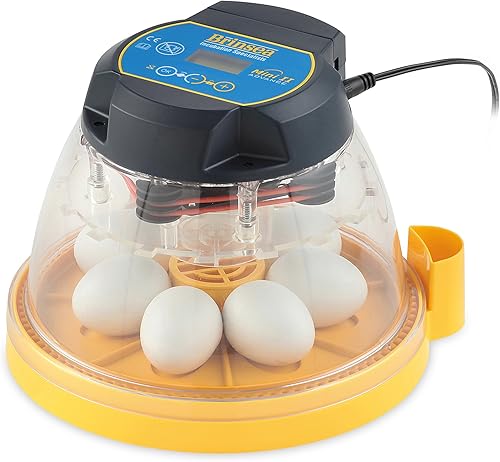
A compact, very consistent incubator from a respected British maker, with automatic turning and a clear dome. Brinsea's reputation for steady temperature is why breeders keep buying them. About $250. 566 reviews at 4.5 stars.
Quail chicks are tiny and need warmth for their first three to four weeks. A heat plate lets chicks huddle underneath like they would under a hen, uses far less power than a heat lamp and is much less of a fire risk. Set it low for quail chicks, because they're smaller than chicken chicks, and raise it each week as they grow.
Best starter$59.95as of Nov 12, 2026★★★★★ our ratingIn Stock
RentACoop
12x12" Adjustable Heating Plate with Foldable Anti-Roost Cone
A well-reviewed brooder plate with adjustable legs so you can lower it for tiny quail chicks and raise it as they grow. The anti-roost cone keeps birds from perching on top and fouling it. About $60. 1,400+ reviews at 4.6 stars.
Quail need about one square foot each, protection from predators and a low or soft ceiling. Many keepers use wire rabbit-style cages with a pull-out tray, which keep birds clean and make collecting eggs easy. Hutches with a solid sleeping area suit cold climates, and walk-in aviaries are lovely for button quail and small flocks.
Two kinds of housing, compared
Wire rabbit-style cage
Wire mesh with a pull-out tray. Clean, easy egg collection, best in a sheltered spot.
Cleaning
Easy, slide out the tray
Weather
Needs shelter
Cost
About $75 to $100
Best for Garages, porches, sheds, egg-laying Coturnix Trade-off Give birds a mat or solid patch to rest their feet
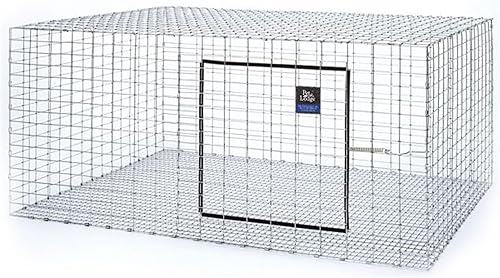
A galvanized wire hutch that many quail keepers adapt for Coturnix. Rust-resistant mesh, easy assembly and enough floor space for a small group of layers. About $92. 327 reviews at 4.3 stars.
A metal cage with a pull-out tray that slides out for cleaning without disturbing the birds. A tidy indoor or garage setup for a handful of quail. About $83. 125 reviews at 4.4 stars.
Quail need more protein than chickens: roughly 24 to 30 percent for chicks and growing birds, and around 20 to 24 percent for laying adults. Game bird or turkey starter is the standard choice, often ground finer for tiny chicks. Layers also need extra calcium, usually from oyster shell offered on the side.
Best starter$54.99as of Nov 8, 2026★★★★★ our ratingIn Stock
Purina
Game Bird + Turkey 30% Protein Starter Feed, 40 lb
A 30 percent protein starter from a brand every feed store carries. The 40-pound bag lasts a small quail flock for weeks and costs much less per pound than small bags. About $55. 35 reviews at 4.5 stars.
A whole-grain, non-GMO starter grower made for quail, including tiny button quail. Worth it if you want a non-GMO feed or only keep a few birds. About $31. 72 reviews at 4.8 stars.
Quail chicks can drown in open water dishes, so use shallow cups or add marbles to a chick waterer for the first weeks. Adults do well with nipple or cup drinkers, which keep water clean. Quail flick feed everywhere, so a feeder with small ports saves a surprising amount of money.
Best starter$18.99as of Nov 8, 2026★★★★★ our ratingIn Stock
Hen's Choice
1L (32 oz) Drinker with Cup, Nipple and Wire Bracket
A ready-made 1-liter drinker with a cup and nipple that hangs on cage wire with the included bracket. Clean water with nothing to build. About $19. 185 reviews at 4.1 stars.
Eight automatic water cups and a drill bit to fit them into a bucket or bottle. The cheapest way to build a clean waterer for a whole flock. About $8. 1,600+ reviews at 4.3 stars.
Small hanging feeders with ports that cut down on the feed quail flick out of open dishes. Four in a pack, so you can feed in more than one cage. About $17. 301 reviews at 4.2 stars.
Coturnix quail go from egg to laying hen in about two months, which makes the first eight weeks a fast, busy ride. Here's what to do week by week, from setting eggs or bringing home chicks to collecting your first speckled eggs.
Quail move fast. Eggs hatch in about 17 or 18 days, chicks feather out in three or four weeks, and hens can start laying around six to eight weeks. That speed is part of the fun, but it means being ready before the birds are. Check your local rules before anything else.
Before day one: hatch or buy
You have three ways to start. Hatching eggs is cheapest and the most fun, but hatch rates on shipped eggs vary a lot, so set more than you need. Day-old chicks from a local breeder skip the incubator. Laying-age birds cost more but give you eggs right away.
If you’re hatching, run the incubator empty for a day first and confirm the temperature with a second thermometer. Most quail need about 99.5°F in a forced-air incubator, with eggs turned automatically until the last three days, when you stop turning and raise the humidity.
Quail chicks are the size of a bumblebee. Set the brooder up before they arrive, with the heat plate low enough that chicks can touch its underside and space to move away from the heat. Use paper towels or rubber shelf liner on the floor for the first days, not slippery newspaper, so their legs develop properly.
Use shallow water with marbles or pebbles in it so chicks can’t drown, and grind game bird starter finer for the first week. Watch their behavior: huddled under the plate and peeping loudly means too cold, spread out at the edges panting means too warm. Raise the plate a notch each week.
Weeks 4 to 5: Moving to the cage
Once they’re fully feathered, usually around three to four weeks, quail can move to their adult cage if nights aren’t freezing. Give them a solid patch of floor or a mat as well as wire, a sand or dust-bath tray, and a low or soft ceiling, because startled quail jump straight up.
This is also when you can tell males from females in most Coturnix colors: males have rusty, unspeckled chests, and hens keep speckled breasts. Keep about one male to four or more hens, or none at all, to cut down on fighting and crowing.
Switch layers to a feed around 20 to 24 percent protein and offer crushed oyster shell on the side for calcium. Hens usually start laying between six and eight weeks old, often in the late afternoon. The first eggs may be small or soft, but they settle within a week or two.
Collect eggs daily, and keep the cage clean by sliding out the tray every few days. If you’re going to winter outdoors, plan for draft protection and extra light now if you want eggs to keep coming.
What not to worry about yet
Don’t worry about breeding for colors, bigger incubators or selling eggs. Get one small flock healthy and laying first, and you’ll learn far more than any book can teach.
A budget quail incubator, a small heat plate, a rabbit-style cage, a bag of game bird feed and DIY water cups come to about $231. Our picks, from the Nurture Right incubator to a ready-made drinker and feeder, are about $344.
11
Common questions
How many eggs do quail lay?
A healthy Coturnix hen in her first year often lays close to an egg a day in long summer days, starting at around 6 to 8 weeks old. Laying slows in winter unless you add light. Three to five quail eggs are roughly equal to one chicken egg.
Are quail legal where chickens aren't?
Sometimes. Some cities define poultry to include quail, some exempt them, and some treat them as pets or game birds that need a permit. Check your local code or call the city before buying birds.
Coturnix or button quail?
Coturnix if you want eggs or meat. They're hardy, productive and easy to keep in cages. Button quail are tiny, colorful and fun to watch, but their eggs are very small and they're mainly kept as pets or in planted aviaries.
How much space do quail need?
Plan on at least one square foot per Coturnix quail, more if you can manage it. Keep the ceiling low or soft, since startled quail jump straight up and can injure their heads.
Can I keep quail with chickens?
It's generally not recommended. Chickens can bully or injure quail, and they can carry diseases that affect quail badly. Keep them in separate housing.
Are quail noisy?
Hens are quiet, with soft chirps. Coturnix males crow, a short, buzzy call that's much quieter than a rooster but noticeable. Keeping mostly hens, with one male or none, keeps noise down.
 Just Beginning